The quest for an aggressive, big-hitting plan has hit a big wall. Welcome to Khelofun, where we look at the big lessons from the recent cricket tour. During the July 2026 series, the journeying team tried a brand-new, tough-hitting plan to get limitations in every single over. But this rigid style backfired on quick, bouncy pitches. The big losses in the ENG vs IND series now show the clear dangers of a stiff plan that does not adapt to local conditions.
For a young team trying to grow, the tour was a harsh lesson. Under captain Shreyas Iyer and coach Gautam Gambhir, the side chose to reject a safe, slow style. Fast runs are great in modern short-format cricket, but English pitches demand real care. By ignoring early ball movement and high bounce, the team walked right into a trap, which put India’s T20 transition under pressure on the big stage.
Why Did the Big-Hitting Strategy Fail?
The main issue was a total lack of quick thinking during the intense ENG vs IND battles. The team built this bold style to stop slow batting in the middle overs, which had caused bad losses in the past. But top international bowlers quickly read expected hitting. Instead of watching the fresh ball, the top batters kept trying big shots against very steady bowling.
The coach did not hide his feelings after the matches, saying the group lacked basic match awareness. When the ball moves sideways early on, normal big swings fail. The refusal to build a safe start meant that a little pressure quickly turned into a total batting collapse.
What Happened During the Nightmare at Trent Bridge?
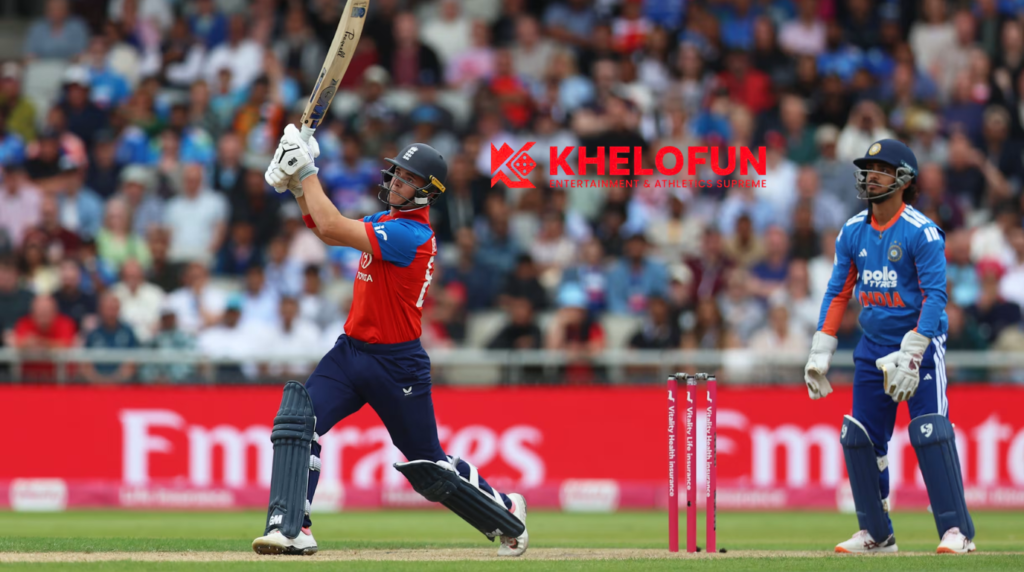
The lowest point of the new plan came on July 7, 2026, during the 3rd T20I at Nottingham. The hosts batted first and made a massive score of 201 for 7, led by opener Phil Salt’s fast 70 runs. What came next was a historic batting crash that shocked fans everywhere.
The visiting team was bowled out for a miserable 76 runs in just 11.4 overs, losing by 125 runs. Likewise, fast bowlers Jofra Archer and Josh Tongue bowled fast spells over 90 mph with high, painful bounce. Moreover, they broke the top order in just five overs, leaving the team at a shocking 52 for 5. This match became the heaviest run loss in the team’s T20 history.
Series Breakdown: The Quick Facts of ENG vs IND
The data shows how the stiff strategy cost the team the whole series with matches to spare. Also, here is the clear story of the matches:
| Match | Venue | What Happened | Match Result |
| 1st T20I | Chester-le-Street | The rain stopped the match completely. | No real match time for the squad. |
| 2nd T20I | Old Trafford | The home side chased the target easily. | Ended a long winning streak for the visitors. |
| 3rd T20I | Trent Bridge | The hosts bowled out the side for 76. | Heaviest run defeat for the visitors. |
| 4th T20I | Gloucestershire | The home side won by 9 wickets. | Gave the hosts an easy series win. |
How Did the Host Bowlers Target India’s T20 Transition Under Pressure?
The home bowlers watched the visiting batters closely and used a very smart plan. Furthermore, they exposed India’s T20 transition under pressure by using three basic cricket rules:
- Hard Lengths: Fast bowlers Jofra Archer and Josh Tongue hit the pitch hard at chest height, making it very hard to drive the ball.
- Smart Fields: Knowing the batters would swing wildly, the hosts placed easy catchers deep on the boundary.
- Targeting Flaws: The quick bowlers repeatedly bowled short balls to captain Shreyas Iyer, getting him out cheaply.
Can the Middle Order Survive Without a Safe Batter?
A huge issue during this ENG vs IND tour was the total lack of a calm anchor in the middle overs. In addition, when young players like Abhishek Sharma and Vaibhav Sooryavanshi fell early to short balls, the crew wished a regular player would stop the wickets from falling.
Instead, the lineup had huge hitters like Shivam Dube and Harshit Rana. Overall, these players have great power, but they lack the safe defense needed against 90 mph balls on a tricky pitch. For a smooth transition, the team must learn that a steady anchor is not a bad thing; it is a vital tool against elite bowling away from home.
What Is Next for This Young Squad?
Despite the many errors, a few bright moments gave fans some hope. In the 4th T20I at Gloucestershire, captain Shreyas Iyer played a lone, fighting knock of 80 runs off 49 balls. Also, he hit five big sixes to push his side to 158 for 7. Sadly, the bowlers could not defend it, as Harry Brook and Phil Salt cruised to a 9-wicket win.
Moreover, this deep breakdown indicates the group went without a single win for a massive number of matches in a row. It is a huge call to heed for control. Overall, moving ahead, the group can’t rely upon uncooked strength by myself. Also, finding a good balance between fast scoring and solid defense is the only way to fix India’s T20 transition under pressure.
Conclusion
The hard lessons of the recent ENG vs IND matches show one clear fact: a single, rigid batting style cannot work on every pitch in the world. Real skill means reading a pitch fast and changing your match to fit the moment. As the tour moves into the longer fifty-over matches, fans can look for big changes in the team line-up and a much smarter batting plan.
Check Khelofun daily for the fastest cricket news updates, deep post-match analysis, and clear player stats. What do you think about these big losses? Share this quick report with your cricket friends on social media, talk about it in our fan chat below, and tell us how you would fix the batting line-up before the next match starts!