The historic cricket match at Trent Bridge ended in a massive victory for England. The home team played an excellent brand of cricket in Nottingham. Thus, they fully outclassed the visiting team. For fans who love to follow every ball, this match was full of high drama. Therefore, many experts are now looking closely at the details of the play. The pitch gave a lot of help to the fast bowlers. Consequently, the batting side could not handle the heavy pressure. This simple guide from Khelofun breaks down exactly how the action took place. Let us take a deep look at this big ENG vs IND match.
What Led to the Big Defeat at Trent Bridge?
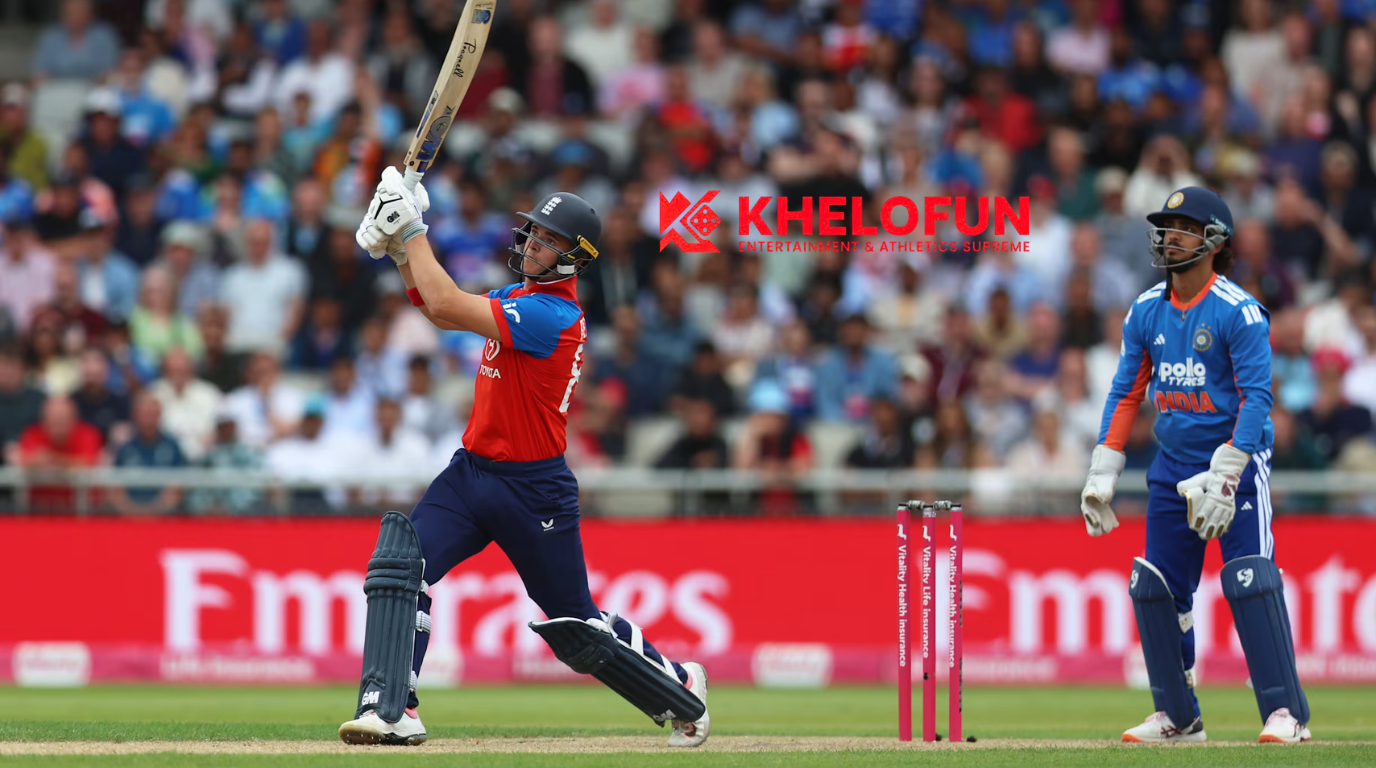
England performed fine cricket to secure a clean 125-run victory. Hence, this big triumph gives them a stable lead within the 5-match series. The home crew won the toss and selected to bat first on a clean pitch. Furthermore, they positioned heavy stress on the competition bowlers from the outset. Opening batsman Phil Salt changed into the star of the show. He made a short 70 runs from just forty-four balls. So, his fast scoring gave his team a lot of early momentum.
Who Helped Build the Large First Innings Total?
Sam Curran did a fantastic job at the end of the innings. He did not stay out on 41 runs. Indeed, his quick runs pushed the total score to a strong 201/7 in their 20 overs. The main bowlers found it hard to stop the runs. However, two young bowling prospects showed great skill:
- A Bright Start: Young bowler Prince Yadav did well on his debut to finish with clean figures of 2/30.
- Good Pace Support: Fast bowler Harshit Rana took key wickets to finish with figures of 2/40.
Still, a target of 202 runs became too excessive for the chasing facet. The batsmen wanted a quick start, and the English pacers bowled with exceptional talent under the cloudy skies.
Why Did the Batting Lineup Fall Apart So Fast?
The chase started in a very poor way for the visitors. Also, the top batsmen couldn’t address the extra pace and jump of the ball. The whole crew is bowled out for just 76 runs. Then, they lasted only 11.4 overs on the field. This was their shortest completed innings ever in this type of cricket. Meanwhile, the batsmen looked very rushed by the fast pitch. This led to bad shots from many players.
| Match Statistic | Trent Bridge Record |
| Total Team Score | 76 All Out (11.4 Overs) |
| Top Individual Score | 13 Runs (Two Players) |
| Powerplay Wickets Lost | 5 Wickets |
Who Did the Most Damage for the Home Team?
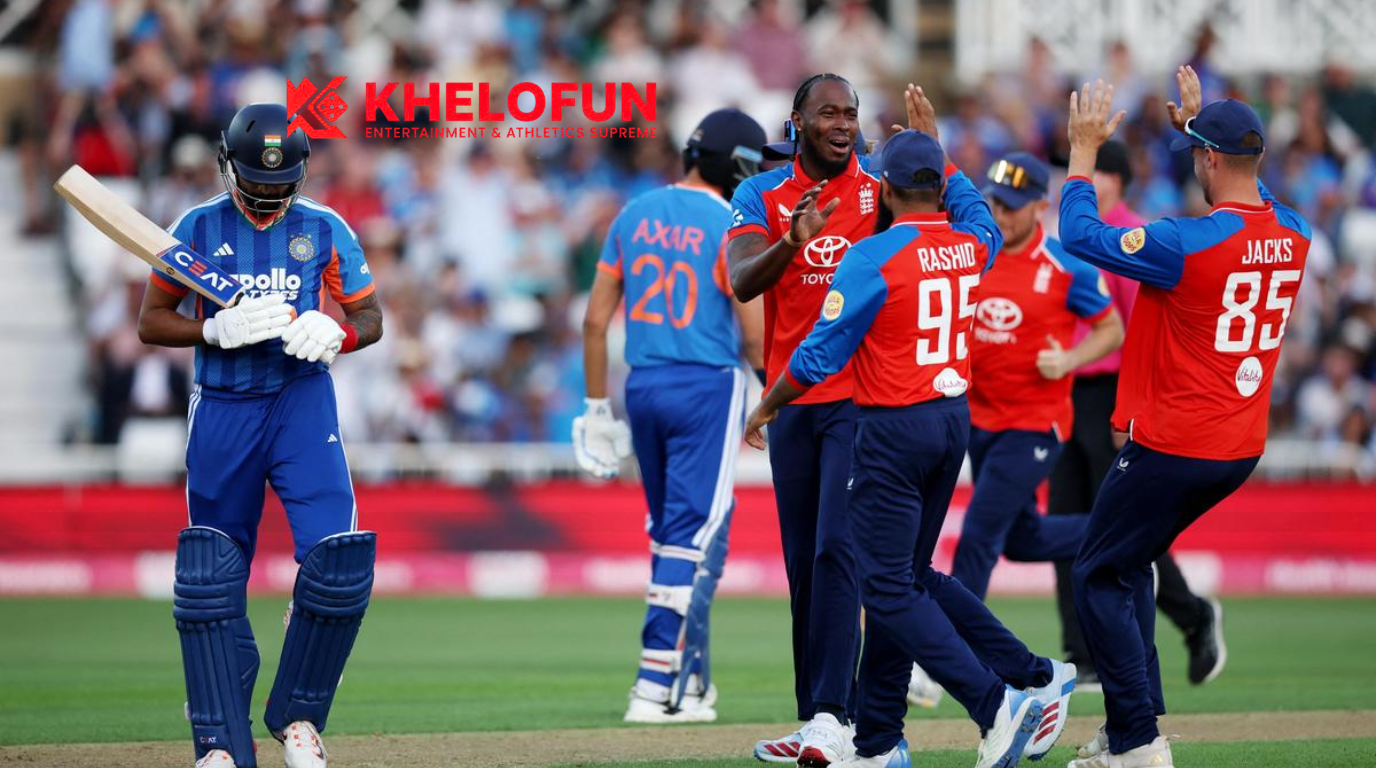
The fast bowlers for England kept a very good line and length. Moreover, they hit uncomfortable spots on the pitch time after time. Also, Josh Tongue bowled a first-rate spell to complete, along with his nice career figures of 4/28. Thus, his brief wickets ended all hopes of a past-due comeback. Jofra Archer became just as good as the other cease. Specifically, he broke the pinnacle order with a first-rate spell of 3/29.
Only 15-year-old batting star Vaibhav Sooryavanshi and opener Abhishek Sharma made it to double figures. Both young players made just 13 & 10 runs. Therefore, the constant pressure from the English team meant no two batsmen could build a good partnership.
How Does This Result Impact the Whole Series?
This major England vs. India match will stay in the record books for a long time. It is now the heaviest defeat by runs for the touring nation. Truly, it passed the old document of an 80-run loss to New Zealand in 2019. Losing 5 wickets inside the first six overs ended the chase earlier than it may have even begun. Consequently, this is the very first time the men’s side has lost five wickets in the Powerplay of a short international match.
After the final ball, captain Shreyas Iyer spoke about the poor display. He called the batting performance atrocious, awful, and unacceptable. Clearly, the skipper felt that losing early wickets took away all their chances. Overall, this large victory offers England a 2-0 lead in the five-match series. So, the visiting squad remains without a triumph on their England tour.
What Changes Must India’s T20 Captain Make Now?
The coaching staff must work hard to lift the spirit of the team before the next stop in Bristol. Cricket experts feel that clear tactical shifts are needed to handle the English plan. Surely, India’s T20 captain must help the batsmen fix their technical errors against high pace. The team leaders might want to change the batting order to add safety in the early overs for the next ENG vs IND match.
Three Vital Things to Fix Before the Next Match
- Move the Feet: The batsmen must show better footwork against balls that move away from the bat.
- Save the Wickets: The top order must protect their wickets instead of playing big shots too early.
- Show More Grit: The senior players must steady the ship if quick wickets fall at the start.
The fourth match takes place in Bristol on Thursday. For this reason, the home team has a great chance to triumph in the series there. The visitors need to play much better in every single department to keep their hopes alive.
Can the Batting Unit Step Up in the Next Match?
The next match will test the mental strength of this young group of players. Facing a heavy bowling attack on their own pitches takes a lot of care. Hence, fans hope to see a much better fight in the next ENG vs IND match. If the top order can survive the first few overs, the middle order has the power to post a massive score.
Match Wrap-Up
The low score at Trent Bridge is a clear sign that the team must improve fast. While England enjoyed a grand team victory, the visitors must forget this bad day. Every top sports team has hard losses, but the best squads always find a way to learn and grow. Finally, keep your eyes on Khelofun for simple news updates, expert views, and full coverage of this cricket tour.
What do you think about the batting plan in this ENG vs IND match? Tell your friends who love cricket about this match review, and talk about the best changes for the next big match!