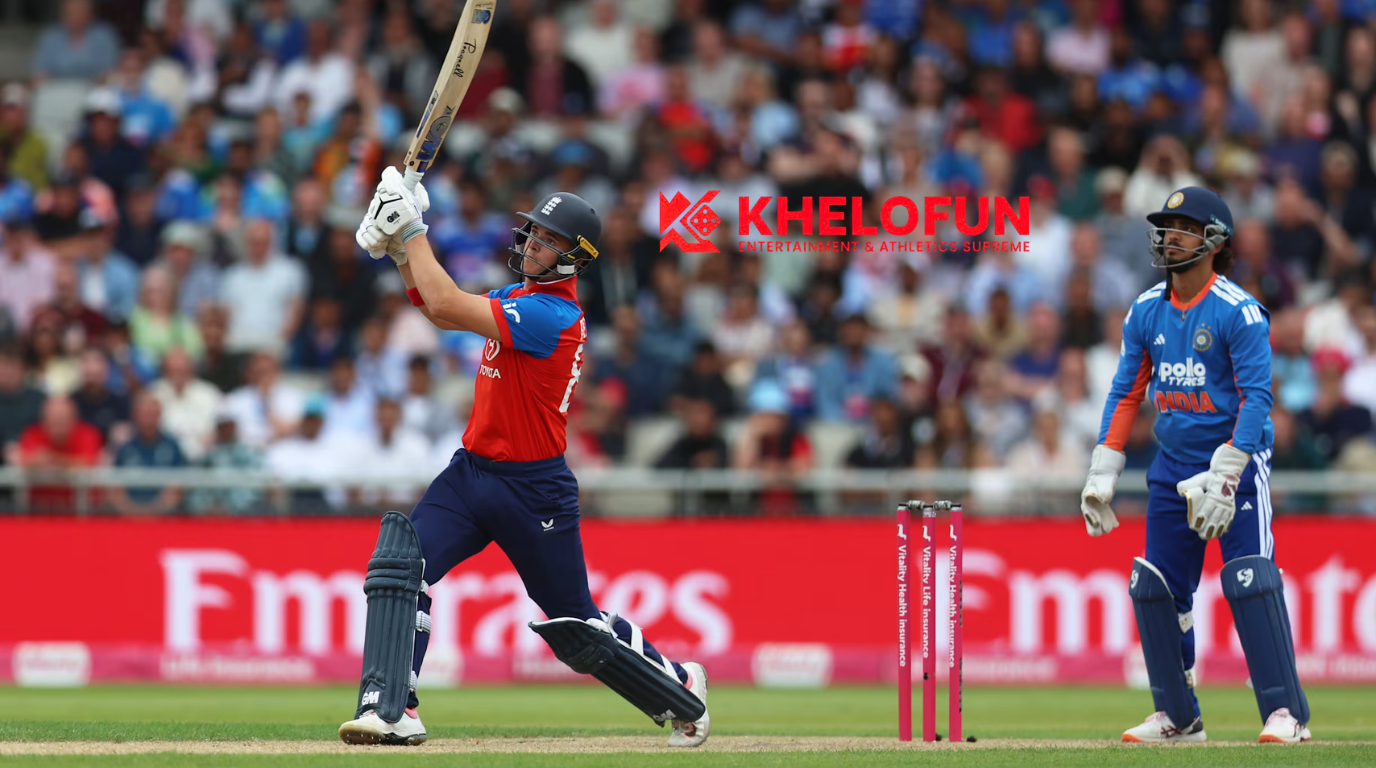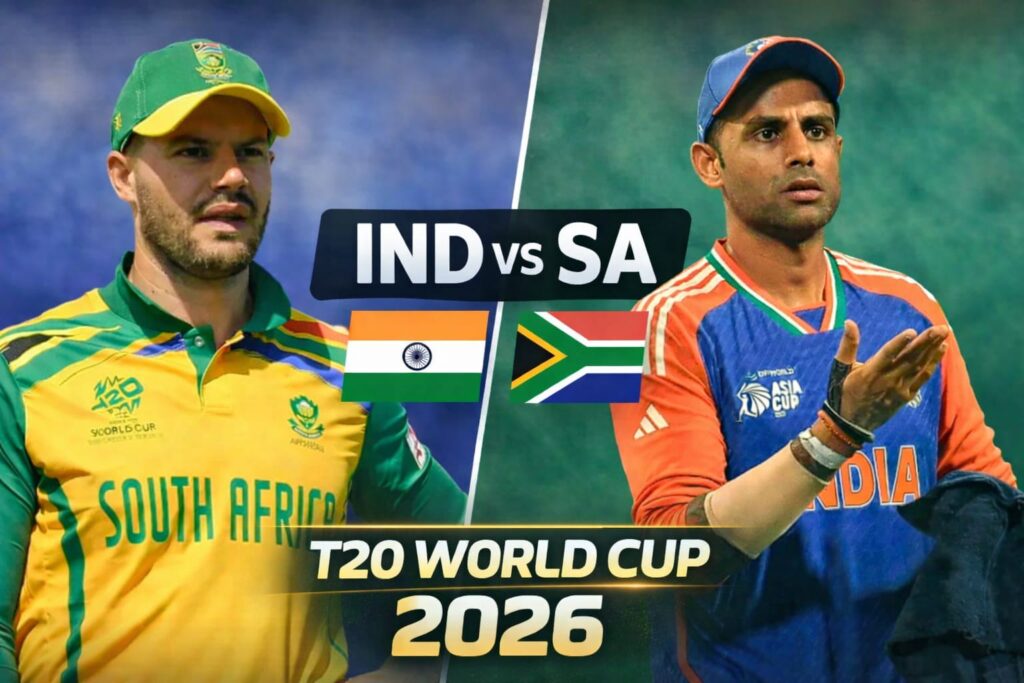
The India vs South Africa game at the 2026 T20 World Cup pits two of the strongest white-ball armies worldwide against one another. This is about early reflections at a worldwide event, station, and instigation, not only points.
India comes as hosts and reigning titleholders with a set team and good conditions. South Africa comes with a high ceiling and a lot of power blockbusters, eager to relieve their character of not showing up in big events.
World Cup 2026 Match Conditions
Depth in bowling, as well as unambiguous part clarity across the XI, helped India to come up with a well-rounded T20 side. They should depend on a strong top order for skillful operation of spin in the middle overs, and specialized death bowling while playing at home.
South Africa’s strengths generally lie in quickness and important middle- order hitting. Their biggest challenge will be getting used to Indian pitches snappily by using shanks, yorkers, and different ways to drift rather than just brushing presto. They also need to make sure their top order doesn’t lose early structures.
As the game progresses, the maturity of Indian pitches is likely to give baits some grip, shot value, and factual bounce. Indeed, while this combination favors India kindly, it also makes it possible for yet another excellent scoring mystery to face a pivotal labor force to keep an eye on.
T20 World Cup India’s Core Players
Suryakumar Yadav
Suryakumar Yadav, India’s most fierce 20- batsman, is known for his enterprising intent and 360- degree shots. Generally converting respectable aggregates into game- winning bones, he’s rather vital in the center overs as he targets both pace and spin. His choices regarding field positions and bowling variations also affect the direction of the game.
Ishan Kishan
At the top, Ishan Kishan, an attacking left-hander, has the capability to completely change the course of the first six overs. India can reach 50 – 70 in the powerplay, should he get going, which would put a lot of pressure on the bowlers from South Africa and let the middle order play their natural game. Immature brace Abhishek Sharma and Tilak Varma.
Tilak Varma and Abhishek Sharma give India’s unborn order more stability and vitality.
Particularly between overs 7 – 15, both are excellent at removing the ropes and are nice against spin. India has a clear political advantage since their run rate can be maintained after the power play.
Arshdeep Singh
Early swing, left arm angle, and well-disguised yorkers at the death are brought by Arshdeep. India’s plans in both the powerplay and the last overs against South Africa’s right- hand heavy top order will depend mainly on him.
Hardik Pandya and Jasprit Bumrah have to concentrate on balance and control. Hardik Pandya, a power- hitting each- rounder, provides balance when he is fit and playing, which enables India to club deep and freely rotate bowlers. Thanks to his pace, delicacy, and yorkers, India’s death closer Jasprit Bumrah is a real gate taker in any phase.
Main Characters South Africa
Aiden Markram, The Captain and Stabiliser
Aiden Markram of South Africa’s fur is suitable to rehabilitate after early structures and also speed, therefore adhering to it. Effectively managing his bowlers in situations when a
Pace heavy attack would not fit. Naturally, his captaincy counts largely.
Dewald Brevis
Dewald Brevis is among the most intriguing immature South African T20 cricketers since he is celebrated for his aggression. Spending time at the crease will snappily change the pace of the game and make it hard for India’s batsmen.
David Miller
David Miller is especially important in franchised leagues because of his knowledge of Indian conditions. Under pressure, especially in chases, he can cover great distances and is dangerous in the last five overs.
Marco Jansen and Tristan Stubbs influence less complex orders. Stubbs has raw six-hitting power and can save South Africa from tough situations with his club. Marco Jansen’s tall left arm speed and excellent ball striking turn him into a real each rounder. Nortje, Anrich Speed of the strike.
Anrich Nortje can upset batsmen with long distances and leads the pace unit with speed and aggressiveness. But to balance India’s important top and middle order, his performance on Indian shells will depend on mixing pace off deliveries, wide yorkers, and deft field placements.
Dangerous Powerplay Battle
India’s strong openers against South Africa’s new ball pace will be a major point of the power play. India’s flying launch aims for a 200 total. South Africa’s early successes drag the game back ahead.
Spin Against Power
India’s baits against South Africa’s middle order prowess( Brevis, Markram, Miller) constitute yet another vital phase. Over 7 – 15 structures might break the scoring rate, but if South African batsmen fight back, they could offer a big climax.
Death over battle still, anticipate a great finish with India’s death specialists like Bumrah and Arshdeep going up against Stubbs and Jansen or South Africa’s pacesetters going up against India’s finishers, if the game is close. The most probable winner is the team that runs better yorkers and slower balls at the death.
Match-ups and Captaincy
Watch how Aiden Markram adjusts his fast and slower bowlers against India’s left-handers and Suryakumar Yadav uses spin against South Africa’s right-handers. These strategic conflicts shape the outgrowth and can give wind points that might not be fairly apparent on the scorecard.